AI Infrastructure, Data Centers and Energy
Building today the infrastructure the market will need tomorrow — advanced compute, power and energy in one place.
What we doWhat we do
One platform: from land and power to a full service envelope
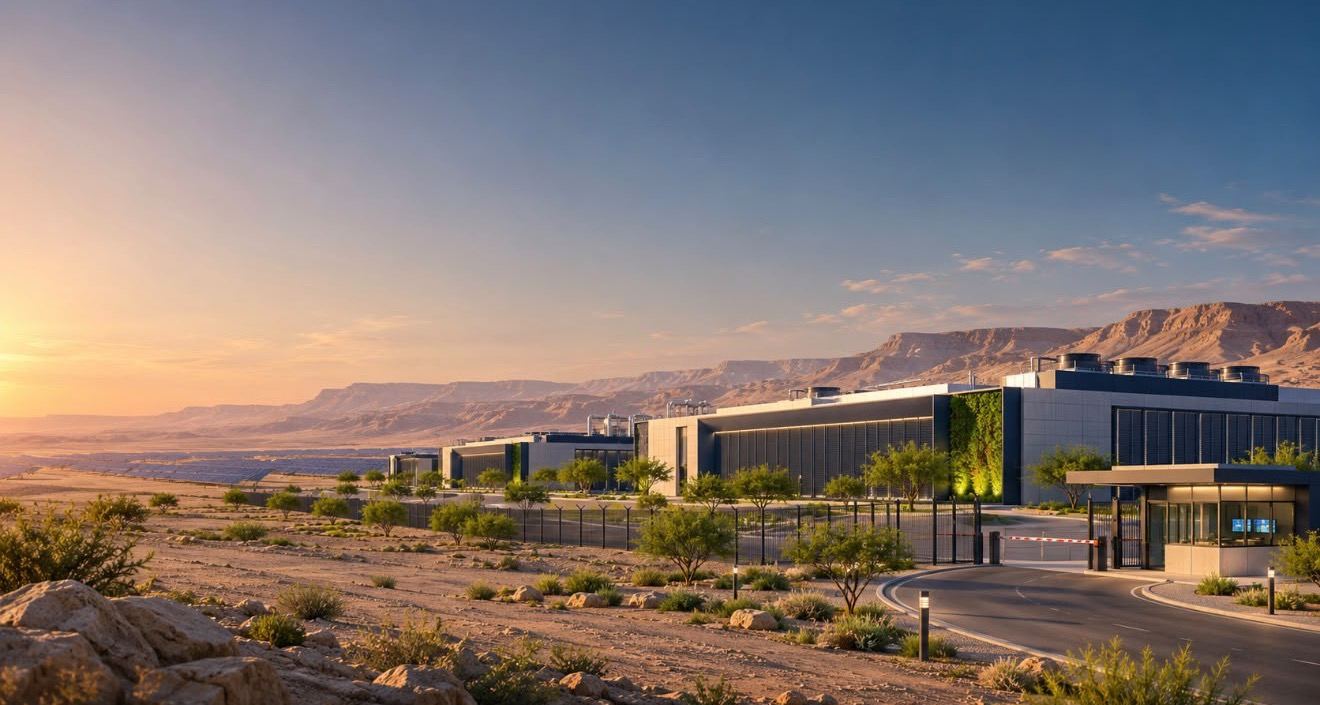
TERRA initiates, develops and advances data centers for AI customers, cloud providers and large enterprises — from the infrastructure through to the service envelope.
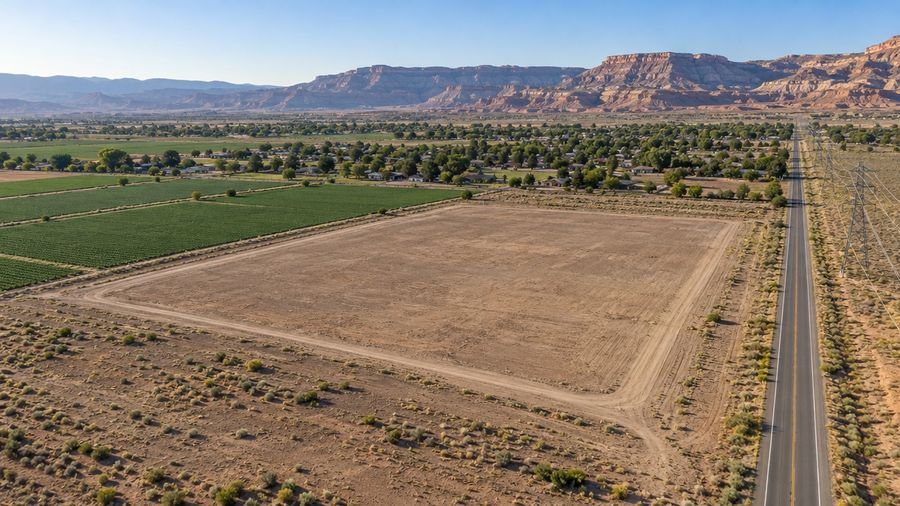
Site sourcing, grid connection and complementary energy
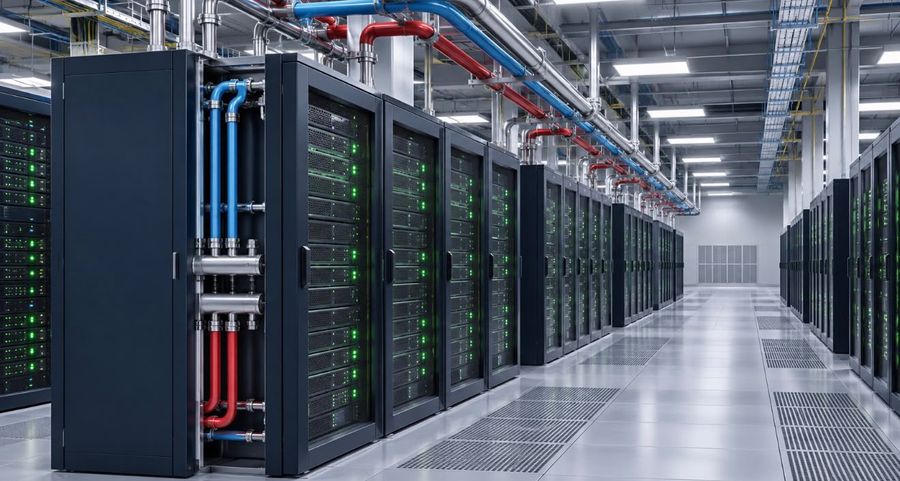
Facility design for future requirements: density, cooling and connectivity
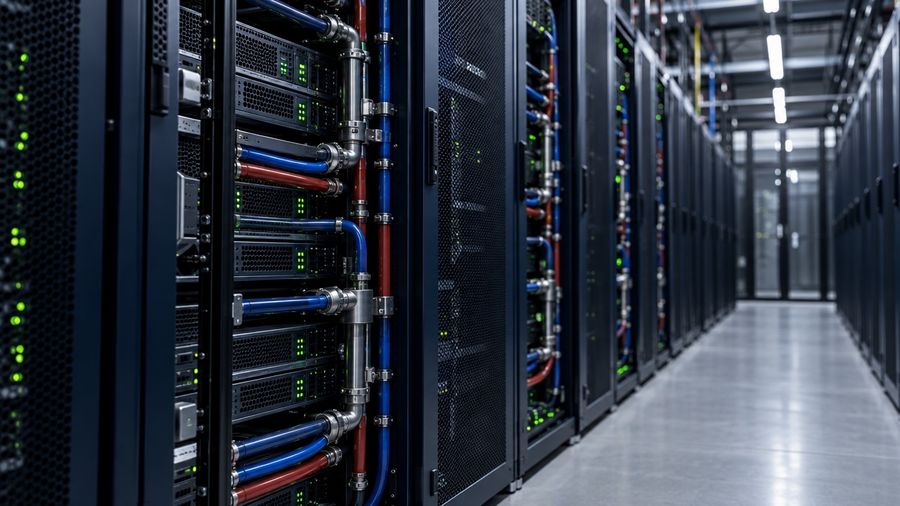
Service envelope: cybersecurity and AI services
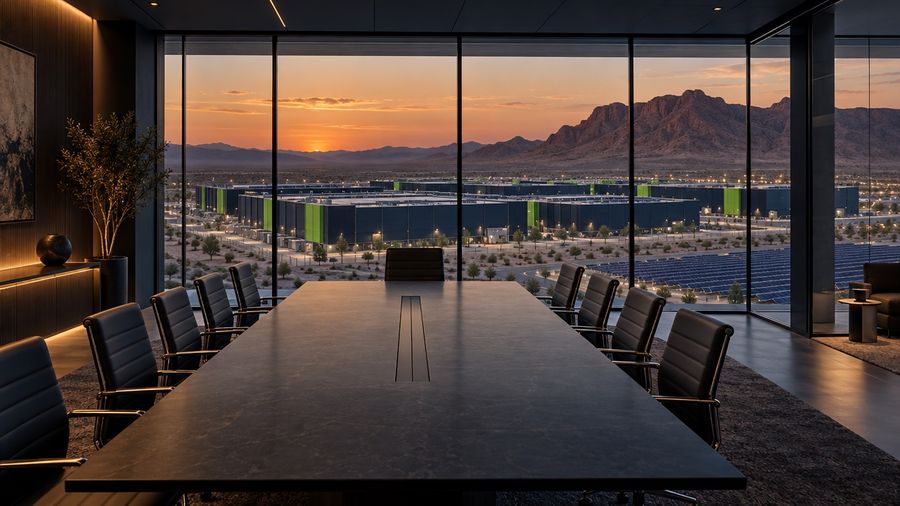
Anchor customers under long-term service-level agreements (SLAs)
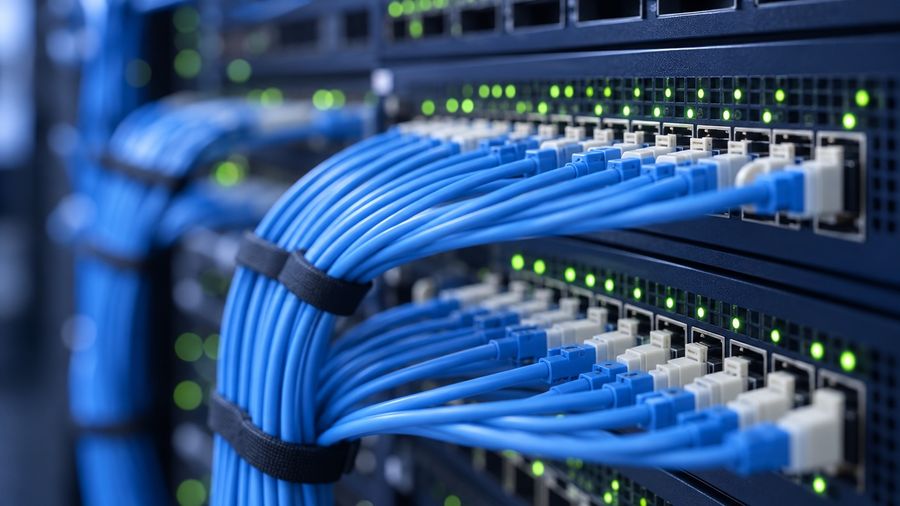
Ecosystem: international partners and GPU manufacturers
The team, and why it fits
Management and board with experience in infrastructure, regulation and capital markets
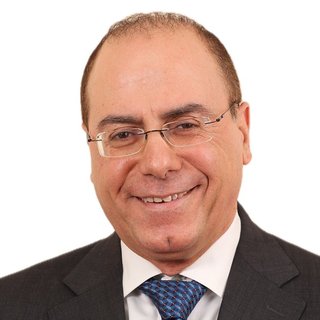
Silvan Shalom
Chairman of the Board
Former Minister of Energy and Infrastructure, Minister of Foreign Affairs and Minister of Finance
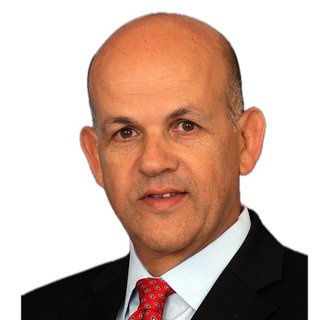
Eli Glickman
CEO
Former CEO of the Israel Electric Corporation
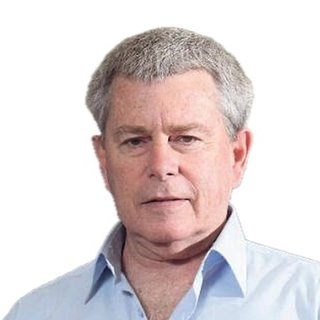
Yaki Vadmani
COO and Director
Former Chairman of Shufersal; previously CEO of Electra Consumer Products and of Tempo
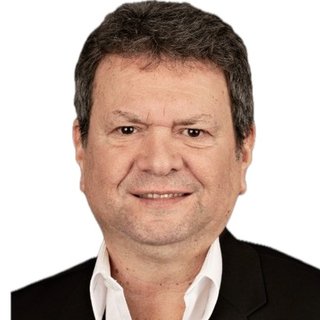
Adiv Baruch
Co-Founder and Director
Leads strategy and international business development; an entrepreneur who has built global companies
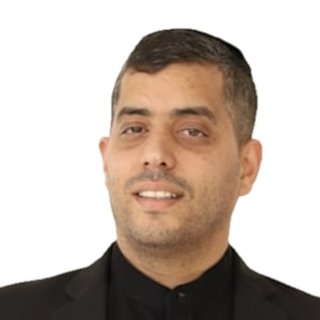
Yudi Lazar
Co-Founder and Director
Entrepreneur and controlling shareholder of private and public companies with annual revenues in the hundreds of millions of shekels
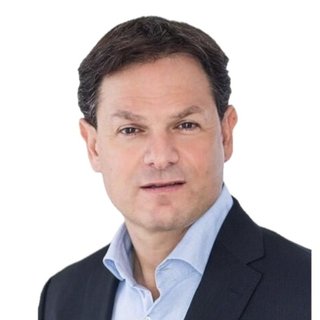
Ronen Tuito
Co-Founder and Director
Entrepreneur and investor

Yifat Shasha-Biton
Director
Former Minister of Education and Minister of Construction and Housing
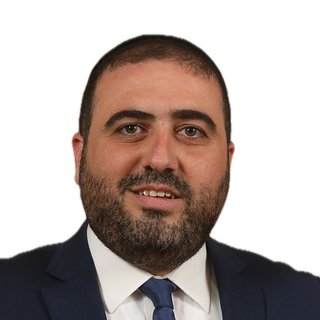
Moshe Arbel
Senior Advisor to the Board
Former Minister of the Interior and Minister of Health
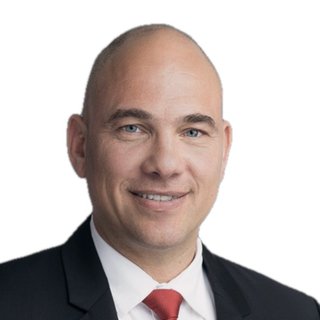
Ilan Gerzi
Legal Counsel
Partner at Pearl Cohen and head of its capital markets practice, with over 25 years of experience
National infrastructure, regulation, international business development and capital markets — the combination required to build infrastructure at this scale.
The need
AI compute sets infrastructure requirements that existing facilities were not designed to meet
- AI training and inference workloads require high power density, liquid cooling and continuous power supply — beyond the design of traditional colocation facilities.
- The bottleneck has shifted from servers to infrastructure: building a facility requires a suitable site, a grid connection, cooling, connectivity, capital and an anchor customer.
- In Israel, too, large-scale projects are being advanced that combine data center development with energy generation and storage.
Demand for capacity is growing faster than the ability to connect and build
Worldwide: capacity is expected to nearly double
In Israel: connection demand far exceeds supply
- ~27,000 MW
- Data center grid-connection requests submitted to Noga, the system operator
- ~1,500 MW
- Capacity the electricity system has committed to connect so far
- Up to 200 MW
- Cap per new data center under the Electricity Authority framework
In the company's assessment, this gap is the opportunity: an advantage for those holding a site, a grid connection and a suitable design.
Sources: International Energy Agency (IEA), JLL, Israel Electricity Authority and Noga. The figures are forecasts and may change.
Our approach
Building today the infrastructure the market will need tomorrow
Most facilities are designed for today's market requirements. TERRA designs for where the market is heading, its growth rate and its expected needs — and operates there today.
| Area | Today's data centers | TERRA data centers |
|---|---|---|
| Design | Based on current demand and technology | Based on expected market requirements at commissioning, drawing on demand trends and growth rates |
| Contract | Leasing of space and power | Binding service-level agreements (SLAs) with anchor customers, for the long term |
| Service | Infrastructure, power and connectivity | A full service envelope, including cybersecurity and AI services, and readiness for quantum computing |
| Growth | A single facility | A model that can be replicated at additional sites, together with strategic partners and GPU manufacturers |
Execution model
One execution model: from site sourcing to facility operation
TERRA's management combines experience in leading national infrastructure and large companies, in business development and strategic partnerships, and in legal support for complex transactions.
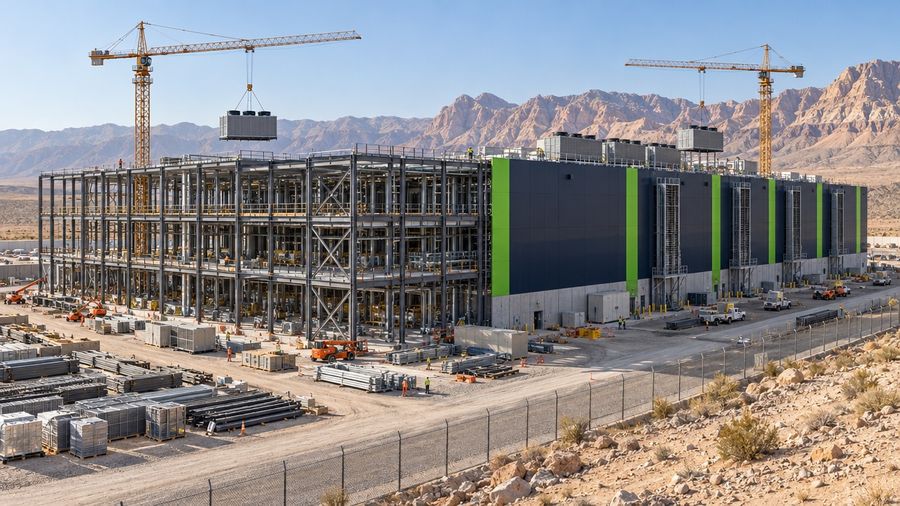
The stages of every project
- Sourcing a suitable site and forming a partnership with its owners
- Assessing the grid connection and infrastructure, and defining the scope of the site
- Adapting the design to the requirements of AI and cloud customers
- Bringing in partners, suppliers and sources of financing
- Construction and operation through dedicated execution teams and experts
Site pipeline
Agreements with several landowners, and sites being advanced
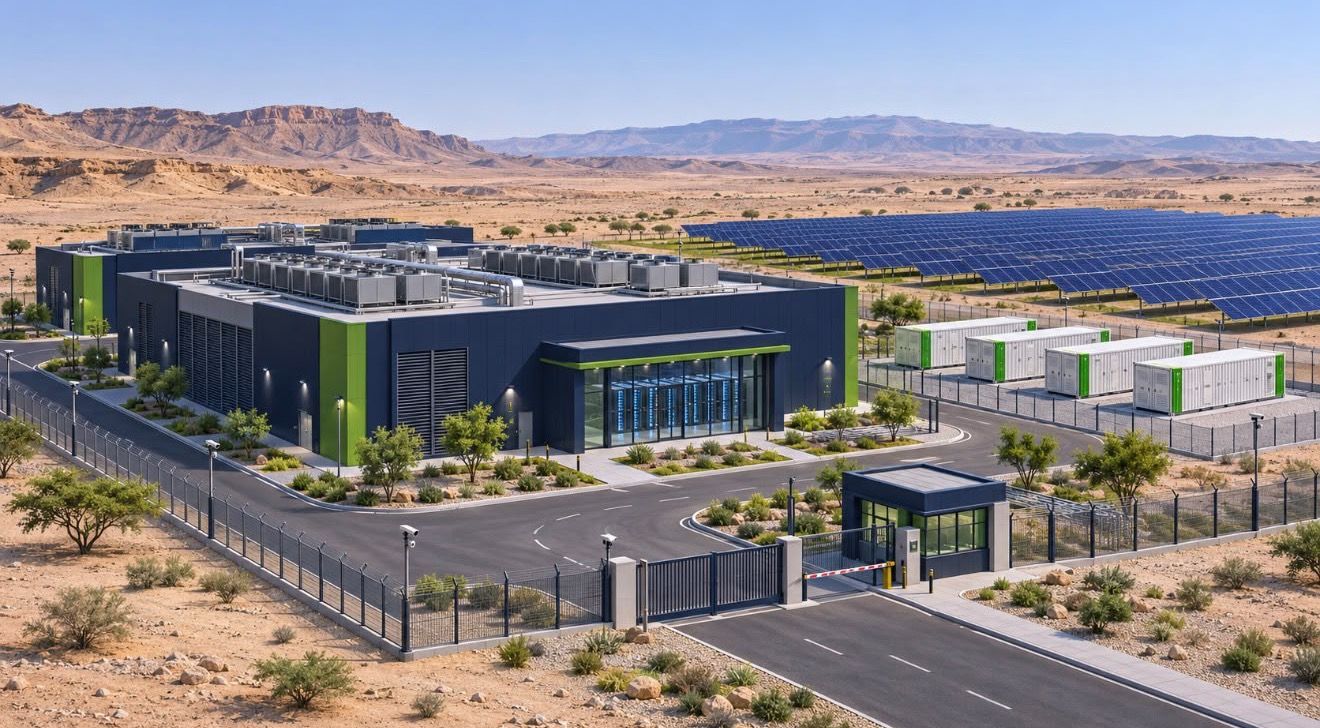
TERRA has agreements with several landowners in Israel. The company is advancing the sites and assessing their suitability for data centers and energy infrastructure.
Each site assessment covers land rights, planning status, grid connection and available capacity, communications and supporting infrastructure.
Landowners join as long-term partners, and TERRA leads development, design, customer engagement and financing. The contractual structure — a lease, a partnership in the project company, or a combination of the two — is determined for each site individually.
Customers and target market
Target market: cloud providers, GPU operators and compute-intensive organizations
- Cloud providers
- GPU infrastructure operators
- Enterprises and institutions
TERRA's target customers are cloud providers, GPU infrastructure operators, technology companies, enterprises and institutions that require advanced compute capacity.
The company is working to develop commercial relationships with leading companies in the field, including NVIDIA, Google and Meta. At this stage, no binding agreements have been signed.
Each solution is designed around the customer's requirements: capacity, compute density, cooling, connectivity, security, availability and timelines.
Summary and next steps
A platform connecting team, sites, energy and customers
TERRA is built around a team that combines management leadership, experience in infrastructure and energy, international business relationships and partnerships with landowners.
Next steps: expanding the team with people who bring international experience, advancing the site pipeline, verifying power and planning conditions, adapting projects to customer requirements, and forming partnerships with landowners, investors and suppliers.
TERRA is building today the data centers the market will need tomorrow — from land and power to an operating facility.
Legal notice
This is a convenience translation; the Hebrew version of this notice prevails.
This website was prepared by Terra LTD (a company in formation) (the "Company") as a general website about the Company. Accordingly, it was prepared for convenience and in summary form; it is not exhaustive and does not purport to cover all information about the Company and its activities or any information that may be relevant to a decision regarding an investment in the Company's securities or otherwise, and it does not replace independent collection and analysis of information or the need to review the Company's reports, as published or as may be published in the future.
In addition, this website does not constitute an offer to invest in the Company or to purchase the Company's securities, and in particular does not constitute an "offer to the public" or a "sale to the public" of any kind, as these terms are defined in the Israeli Securities Law, 5728-1968.
This website is not a substitute for investment advice or investment marketing that takes into account the particular data and needs of each person, and its contents are not a substitute for the judgement of a potential investor, including with regard to tax advice in light of that person's circumstances.
The contents of this website constitute forward-looking information, which may not materialise in whole or in part, among other things due to events not related to the Company, including failure to obtain regulatory approvals, failure to meet capital-raising targets, failure to complete the development of required technological systems, failure to enter into agreements relating to the Company's activities or to an investment in it, and changes in capital market conditions or in regulation in Israel or abroad.